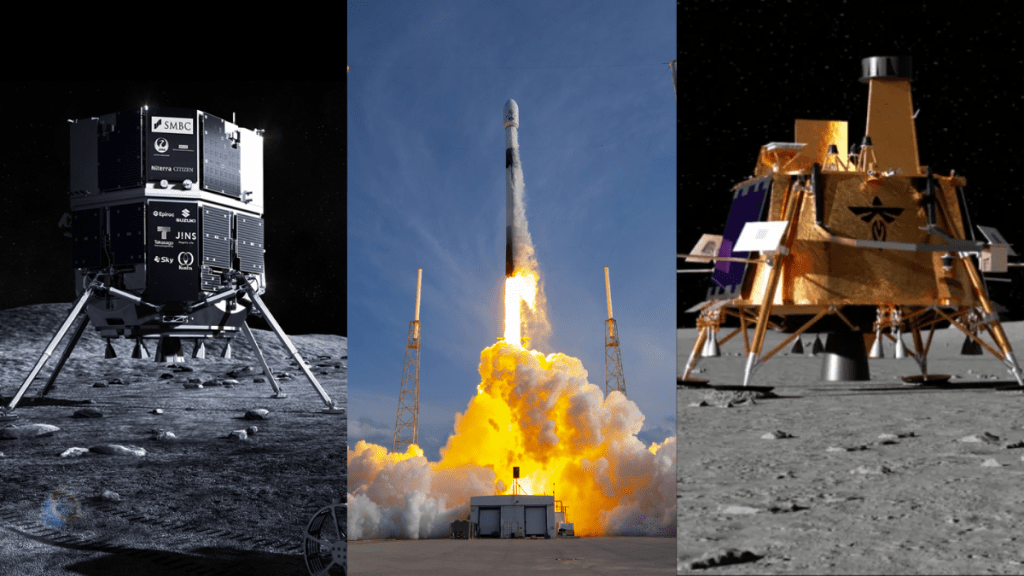
At one-eleven AM from Kennedy Space Center, SpaceX’s Falcon 9 lit up Florida’s sky, launching two robotic lunar landers-Firefly Aerospace’s Blue Ghost and Tokyo-based airspace Resilience-on a historic double mission. This wasn’t just a launch; it was a commercial space milestone, two private companies sharing one rocket to push humanity’s lunar dreams.
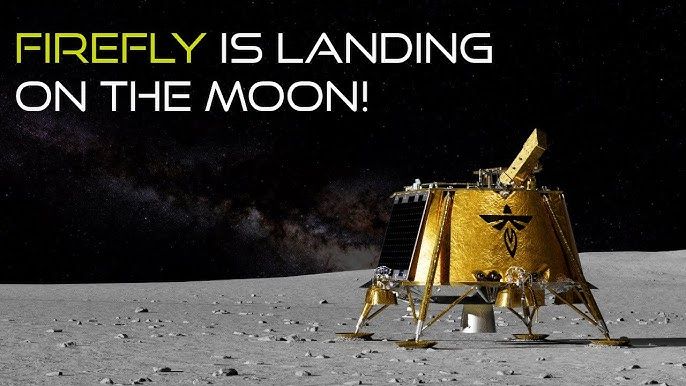
Blue Ghost, part of NASA’s CLPS program, carries ten experiments-like a vacuum for lunar regolith, a drill for subsurface temperatures, and X-ray gear scanning Earth’s magnetic field-to land in Mare Tranquillitatis on March second, even catching a lunar eclipse from the moon’s surface!

Resilience, carrying its Tenacious rover, aims for a slower four-to-five-month orbit and a soft landing to grab samples and explore. Both feed Artemis, NASA’s plan for lunar bases and crewed landings by twenty-twenty-eight.

The Falcon 9’s booster nailed a droneship landing, proving SpaceX’s reusability chops. But the real game-changer? Starship. Its test flights-explosive but learning fast, like surviving tile rips-aim for full reusability and orbital refueling. If NASA’s timeline holds,

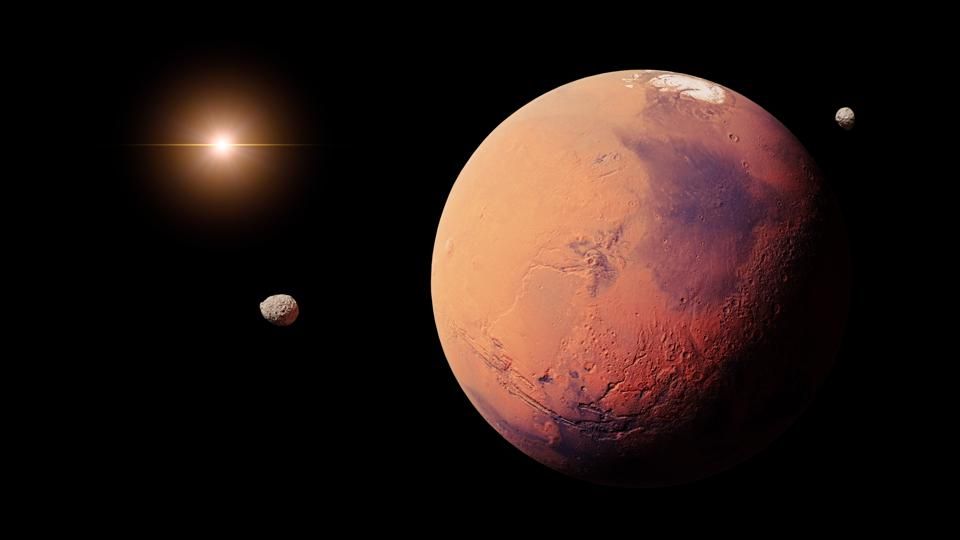
Starship could haul habitats and rovers to the moon’s south pole, making Artemis bases real, not sci-fi. From Blue Ghost’s dust scoops to Resilience’s rover to Starship’s mega-lift, this launch is the spark: affordable lunar science today, permanent moon homes tomorrow.And next is mars
Reporting fact not fiction
Alicen Stephens
 ME AND MY AI WORKING TOGETHER
Leave a comment