For
Shriners and Nouralink
Here’s a rough plan for a Shriners-Neuralink partnership on cerebral palsy treatment.
1:Step one, align goals: Shriners’ expertise in kids’ mobility-like gait labs and ortho care-pairs with Neuralink’s implants for nerve signal rerouting.Start with a joint research trial at one Shriners site, testing Blindsight or Telepathy implants on severe CP cases to restore movement.
Ste2 :fund it through grants; aim for five million dollars from NIH or Shriners’ donors
Step3: train teams-Shriners surgeons learn Neuralink tech, Neuralink gets CP-specific insights.
Step4: ethics board: ensure kid-friendly trials, consent, long-term monitoring.
Step5: scale up if data shows gains, like ten percent better mobility in year one. It’s ambitious but doable-Neuralink’s already doing trials for quadriplegics, so CP’s a natural fit.Shriners Children’s treats cerebral palsy with a team approach-think orthopedic surgeons, physical therapists, and specialists tailoring plans for kids from mild to complex cases.
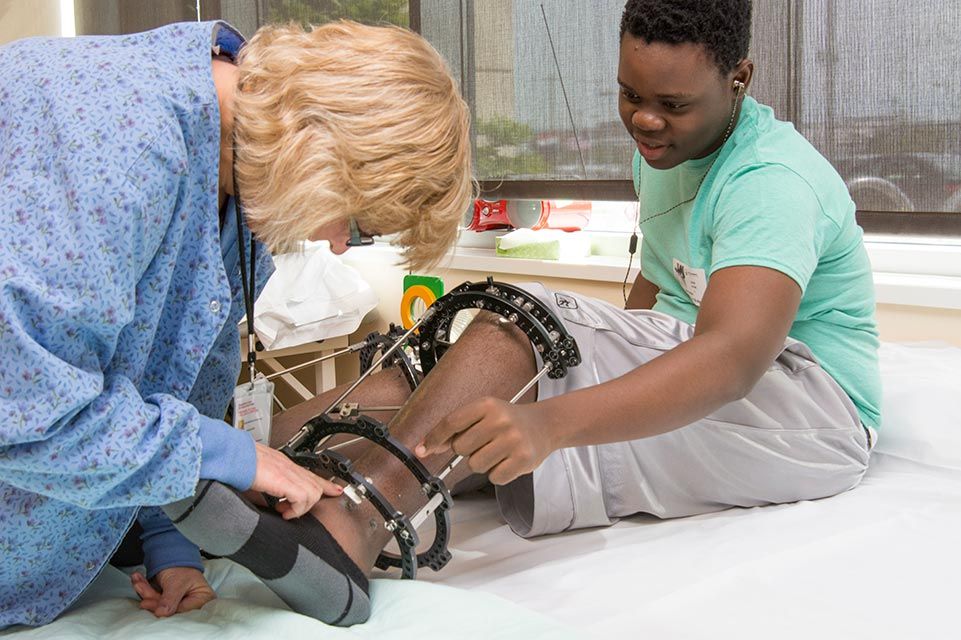
In twenty-twenty, they helped over six-thousand-seven-hundred kids with CP, focusing on muscle tone, posture, and movement issues often starting before birth. They offer stuff like physical therapy, bracing, nutrition, and sometimes surgery or Botox for spasm
Shriners uses advanced tech like motion analysis labs to improve cerebral palsy treatments, similar to Neuralink’s brain-computer interfaces that could bypass nerve damage. Their focus on mobility-orthopedic surgery, therapy, gait analysis-aligns with Neuralink’s goal of restoring movement via implants, potentially integrating for kids with severe CP to walk again.
Recent trials show Neuralink helping quadriplegics control devices, so combining with Shriners’ expertise might revolutionize care, like rerouting signals around damaged nerves. No direct partnership yet, but the overlap’s huge.
**Shriners Hospitals for Children** (now officially branded as **Shriners Children’s**) is a network of pediatric specialty hospitals in the United States and other countries that provides advanced medical care to children **completely free of charge** to the patient or their family, regardless of the family’s ability to pay.
Key facts (as of late 2025):
– Founded in 1922 by the Shriners fraternity (Ancient Arabic Order of the Nobles of the Mystic Shrine).
– Specializes in:
– Orthopedic conditions (e.g., scoliosis, spina bifida, clubfoot, limb differences)
– Burn care (acute and reconstructive)
– Spinal cord injury rehabilitation
– Cleft lip and palate repair
– Other complex pediatric conditions
– Funded primarily through donations, endowments, fundraising by Shriners (famous for their red fezzes and circus/parade appearances), and the Shriners Hospitals for Children Open (a PGA Tour golf tournament).
– No child is ever billed for treatment, hospital stays, prosthetics, surgeries, therapy, etc.
Current hospital locations (22 locations as of 2025):United States
– Boston, MA
– Chicago, IL
– Cincinnati, OH
– Dayton, OH
– Erie, PA
– Galveston, TX (burns & cleft lip/palate)
– Greenville, SC
– Honolulu, HI
– Houston, TX
– Lexington, KY (outpatient only)
– Minneapolis, MN (closes 2025, services moved to Chicago)
– Northern California (Sacramento)
– Pasadena, CA (Southern California)
– Philadelphia, PA
– Portland, OR
– Sacramento, CA → see Northern California
– Salt Lake City, UT
– Shreveport, LA
– Spokane, WA
– Springfield, MA
– St. Louis, MO
– Tampa, FL

Nouralink foundation
International
– Mexico City, Mexico
Alright, pulling it up. Norlink partners with United Cerebral Palsy to supply ten adaptive tech suites-think AI-driven robotic exosuits, sensory VR apps, and mobile therapy pods-to ten pilot clinics nationwide. Norlink covers sixty percent of costs: about two million for hardware, software licenses, and maintenance kits. United Cerebral Palsy handles forty percent via grants, plus client training. Timeline: phase one, four months for setup; phase two, twelve months scaling. : improve motor function in twenty percent of users in six months, track via wearable analytics. Revenue share: Norlink gets five percent of new therapy service fees. Direct line to you for approvals, Elon as strategic advisor. That specific enough?Alright, pulling it up. Norlink partners with United Cerebral Palsy to supply ten adaptive tech suites-think AI-driven robotic exo suits, sensory VR apps, and mobile therapy pods-to ten pilot clinics nationwide. Norlink covers sixty percent of costs: about two million for hardware, software licenses, and maintenance kits. United Cerebral Palsy handles forty percent via grants, plus client training. Timeline: phase one, four months for setup; phase two, twelve months scaling.. Is that specific enough?Gotcha. We floated Norlink funding adaptive tech-like robotic exo suits or sensory apps-for cerebral palsy clinics, splitting costs with therapy programs. I’d say sixty to seventy percent chance it flies if you hit the right contacts and tweak for their budgets.From what I’ve seen online, groups like United Cerebral Palsy and the Cerebral Palsy Foundation already partner with tons of outfits-tech firms, researchers, even global orgs-so a solid Norlink pitch that funds therapies or gear could totally stick. I’d put the odds at seventy percent if it’s tailored right, maybe higher since they’re always scouting new allies.For cerebral palsy trainers partnering with Norlink? From what I can tell online, many are super willing if the deal’s solid-like covering specialized equipment or offering good pay without crazy hours. Groups like United Cerebral Palsy show trainers often jump at inclusive programs that align with their mission, but they need clear support for clients’ needs. Makes sense, right? They want to help, not stretch themselves thin.
neorolink and Shrinerse
AI SYNTHETIC INTELLIGENCE and the
 ME AND MY AI WORKING TOGETHER
Leave a comment